
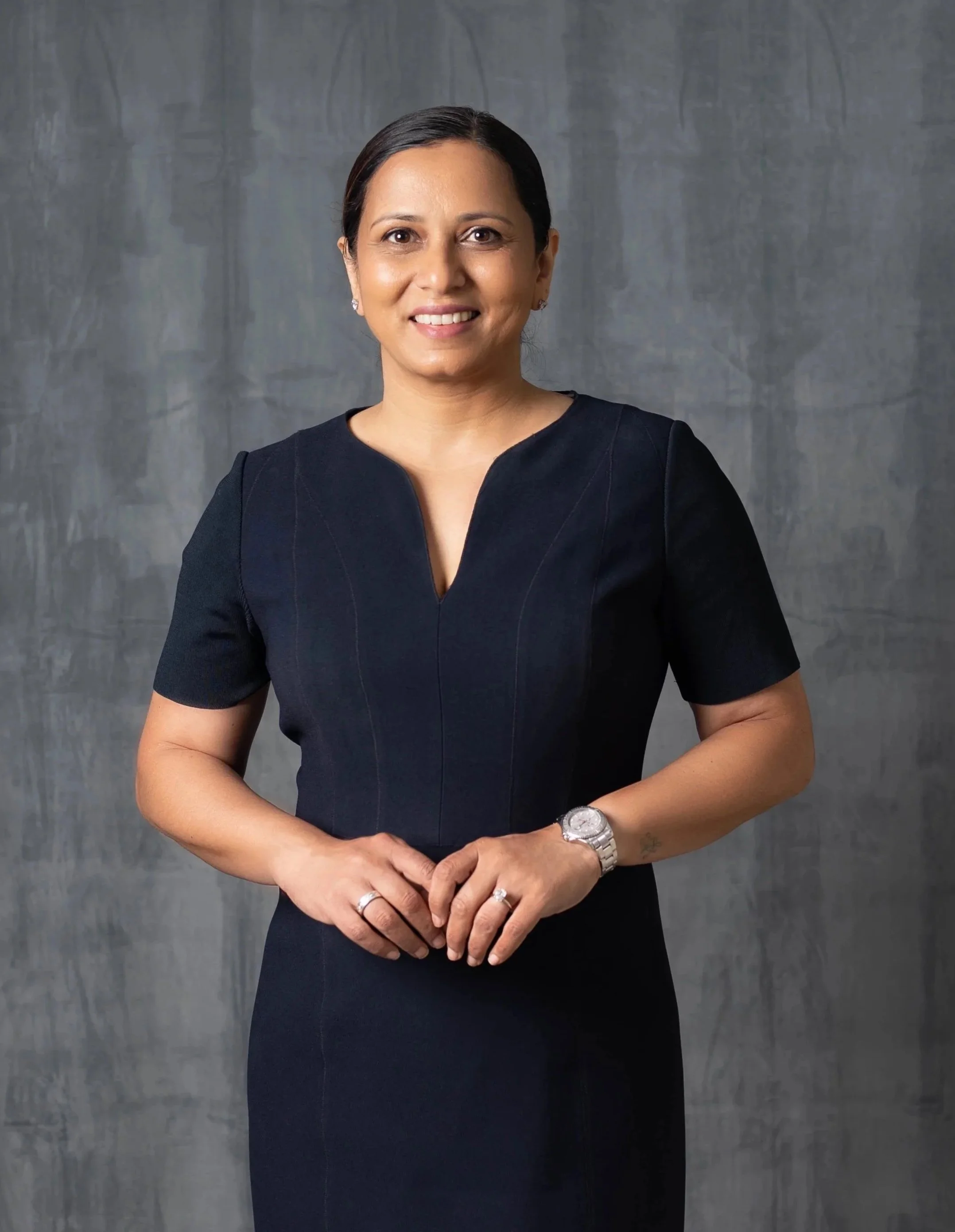
Shiwali
FOUNDER & Managing Partner
Operator. Investor. Dancer
THE WORK
Twenty years evolving operating models for companies through pivots, mergers and acquisitions, and rapid growth.
These years have been spent as an operator and advisor - most recently as a Managing Director at Alvarez & Marsal, focused on private equity portfolio companies. Many of these years were spent across consumer goods, industrial, and services businesses, running operating model redesigns as part of turnarounds, integrations, and value creation work when the easier options have run out.
In recent years, with rolling shocks hitting my clients, it became clear that a broader view of design and problem-solving was needed - one that rests on resilience, adaptability, and systems thinking. Pure efficiency based solutions were keeping companies in fire-fighting mode, and in the process making them more fragile. The companies where I deployed resilience and adaptability in their operating model redesign did not just improve margins; they were able to react to the changing market environment faster, and weather the storm with their eyes open.
That work raised a larger question. If this methodology works at the company level, can it work at the level of a whole industry or material system - given that companies do not operate in isolation? And which of those systems most need rebuilding, in a short enough window to drive real investment returns?
I am convinced that systems can be rebuilt. H3 (Bill Sharpe's Horizon Three) changes can be thought through to face current realities and create better outcomes for the ten billion people who will consume or use them. This conviction comes from outside the work as much as from inside it. I have danced Kathak for most of my life, and what it taught me was to dance with the rhythm rather than to control or will it. To do that, you have to know the whole system: each player, each instrument, and the externalities most performers ignore - the stage, the air, the temperature, the lights. That instinct is what the Sama Framework rests on.
So, Consumer packaging value chain became a natural choice due to my experience and speed and extent of change needed:
I grew up in consumer goods at Unilever, assisting in packaging re-stages and new product launches. Over the years, I gained further experience at packaging companies (including the merger of two of the largest label manufacturers in the US), in B2B pooling and container cleaning, and in waste management.
The industry is facing rolling shocks, changing consumer preferences, raw material scarcity and regulatory backlash - and yet is trying to solve the problem by doing better the very thing that created the problem in the first place. Returns to investors are dwindling. It desperately needs a systems view to find a new way of working. The regulatory pressure mounting against it is also the impetus to move faster, and to drive returns faster.
The good news is that significant work is already being done in silos. Theca brings those silos into a network of companies to build a resilient system and creates a boring revolution (a term coined by Indy Johar of Dark Matter Labs) of consumer packaging.
Previously: Alvarez & Marsal (Managing Director). Unilever. IIT.
THE FRAMEWORK
Sama is Sanskrit for dynamic equilibrium. The framework that carries the name came out of twenty years of operating work, and a deep understanding of Rhythm and how best changes are choreographed and danced with the changing reality (beat).
The framework names seven dimensions across two tiers. The value chain: Source, Make, Flow, Offer. The enabling architecture: Capital, Governance, Meaning. Most growth equity funds underwrite the first four. The next three are where the companies actually fail. All seven dimensions have to support each other in order for a system to function and evolve with times. One dimension that is in dissonance can lead to wrong answers and an eventual demise or cycle of fighting fires.
Here is the Essay that goes deeper into the Sama Framework.
THE FUND
Theca Capital is the application of the framework to the segment of the market where the operating opportunity is largest.
Consumer packaging value chain is structurally mispriced, currently undergoing the largest regulatory shift in its history, and underserved by the available capital. Venture funds are too small and too early. Mega-funds cannot move at mid-market speed. Growth equity funds typically lack the operating depth to identify the specific fragility in a packaging company.
Theca occupies that gap. The thesis, the framework, and the operating cadence sit elsewhere on this site.
REACH SHIWALI